
What We Really Know About Age and Fertility
From a young age, we’re taught that getting older means our bodies gradually begin to change. Our eyesight may worsen, our joints can become stiffer, our skin changes, and for women, we’re reminded that fertility declines too. It’s no wonder that many of us begin to see ageing as something working against us rather than something that’s simply part of life.
When it comes to fertility, there is truth behind this. As we age, the number of eggs we have decreases, and the proportion of eggs with chromosomal abnormalities increases. But statistics only tell part of the story, and they can never predict an individual’s outcome.
What the Science Actually Says
Research shows that by the age of 35, the chance of conceiving naturally in any one menstrual cycle is around 15%, compared with around 20–25% in the late twenties. By age 40, this falls to around 5–10% per cycle. Age is also associated with a higher proportion of eggs containing chromosomal abnormalities, which can affect embryo development and miscarriage risk.
These figures are population averages rather than predictions for any one woman. They help fertility specialists explain likely outcomes and guide treatment decisions, but they cannot tell you what your personal journey will look like. (Source: American Society for Reproductive Medicine)
The Moment I Was Called “Geriatric”
I’ll never forget the moment a nurse referred to me as a “geriatric” patient. I was 38.
My heart sank.
I remember thinking, I’m only 38. In fact, I was still regularly being asked for ID when buying alcohol, so in my mind I felt young. Yet suddenly I was being defined by a label that made me question everything.
Had I waited too long?
Should I have made different choices?
Was focusing on my career a mistake?
Those thoughts came thick and fast, and none of them helped me move forward.
Looking back, I understand why fertility clinics discuss age. It’s an important factor, and patients deserve honest information. But I also believe there is a way to communicate those facts without leaving someone feeling that their body has already failed them.
What If the Conversation Was Different?
Sometimes I wonder how different that appointment might have felt if the conversation had started with curiosity instead of a label.
What if, alongside discussing my age, someone had also asked about my lifestyle, my health, my emotional wellbeing, or how I was coping?
Age is one piece of the fertility puzzle, but it isn’t the whole picture. Every woman is different. We all age differently, respond differently to treatment, and have unique medical histories. Statistics can guide decisions, but they cannot define an individual person or predict their future.
My Experience
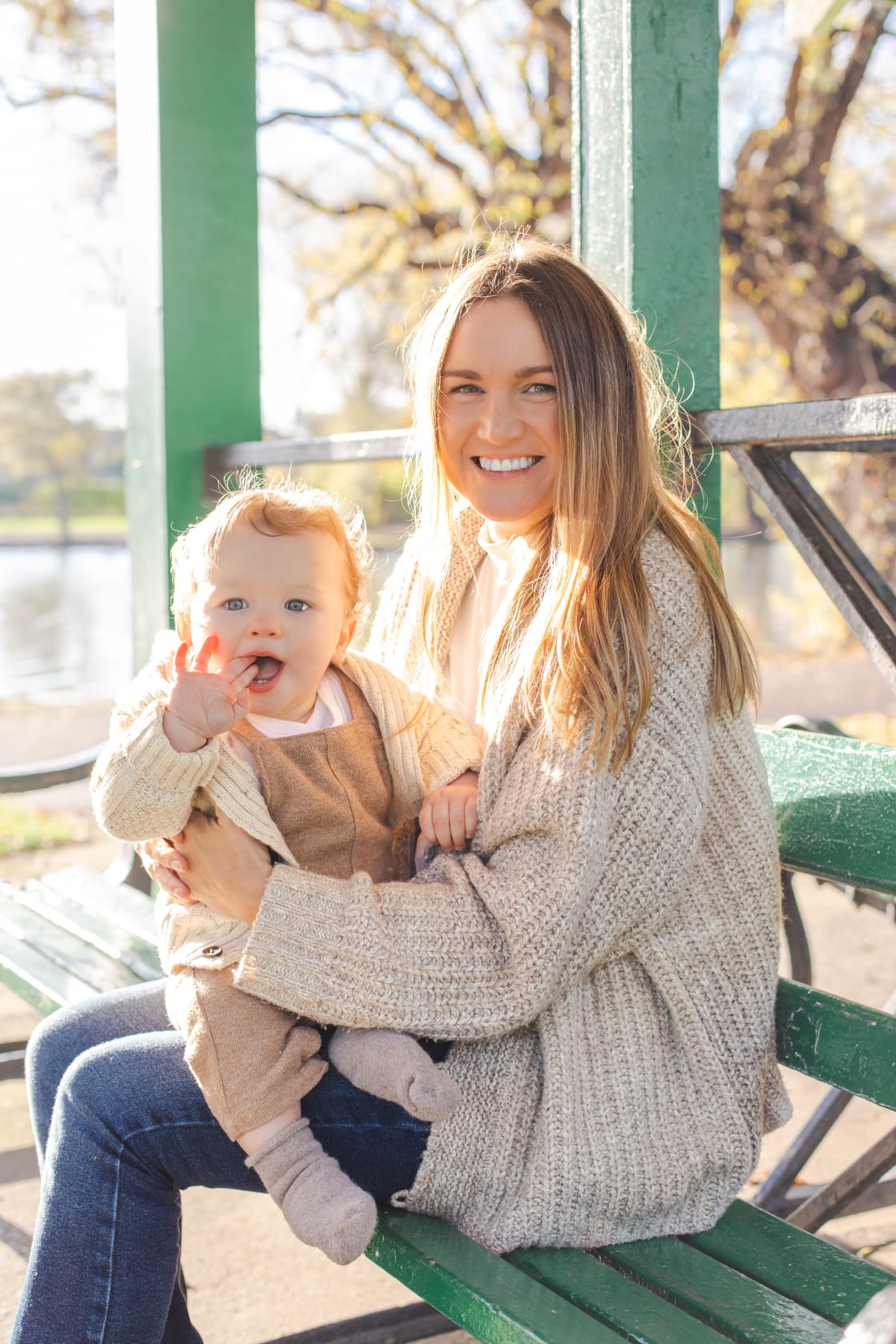
At 40, I gave birth to a healthy baby.
Interestingly, our embryos at 40 were of better quality than those from our treatment at 38.
Can I say with certainty why? No.
During those two years we made significant changes to our lifestyle, prioritised our wellbeing, explored therapies such as acupuncture to help manage stress, and became much more intentional about looking after ourselves. Whether those changes directly influenced our outcome isn’t something I can prove, but they helped me feel healthier, calmer and more in control throughout the process.
Our experience reminded me that while statistics matter, they don’t write every individual’s story.
Choosing a Different Mindset
Once I understood the statistics, I made a conscious decision not to let them become the only story I told myself.
Instead of focusing on what I couldn’t control, I focused on what I could.
I looked closely at my nutrition.
I prioritised sleep where I could.
I chose therapies that helped me feel calmer.
Most importantly, I worked hard on the way I spoke to myself.
Rather than repeatedly telling myself I was “too old”, I reminded myself:
I am young enough to be the parent I want to be.
My body is capable.
I can support myself through this journey, whatever the outcome.
None of these thoughts guaranteed success. But they helped me approach treatment with hope instead of fear, and that made an enormous difference to my experience.
Over to You
Have you ever been told your age was working against you?
How did it make you feel?
Did it motivate you to make changes, or did it leave you feeling hopeless?
I’d love to hear your experience, because sometimes simply knowing we’re not alone can change the way we carry our story.